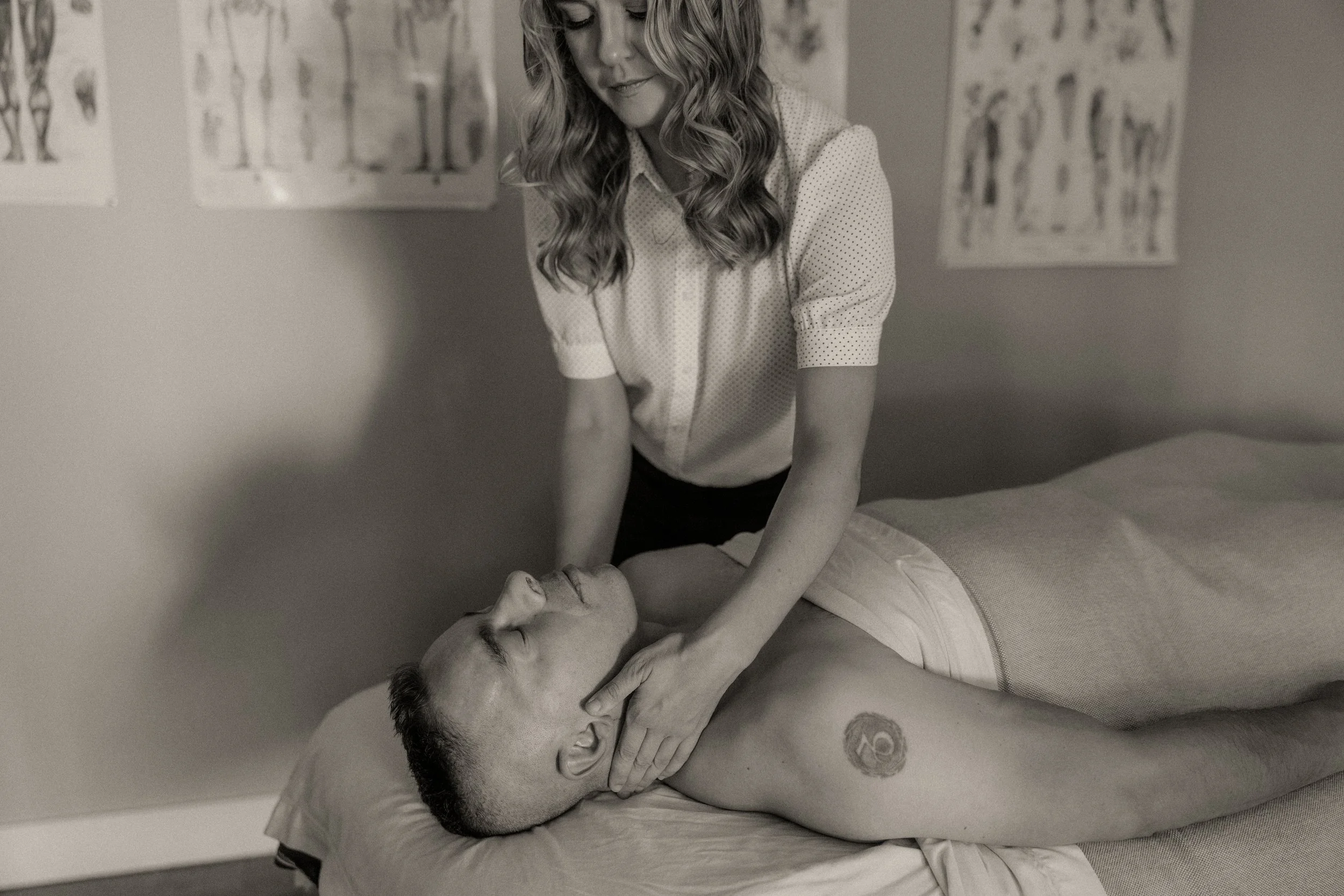
Sports Massage is a form of bodywork geared toward participants in athletics. It is used to help prevent injuries, to prepare the body for athletic activity and maintain it in optimal condition, and to help athletes recover from workouts and injuries.
Manual Lymphatic Drainage (MLD) is a very gentle, light touch form of massage based on pumping, circular and spiral shaped movements.
The skin is stretched and torqued in a specific manner with the correct pressure, direction, and speed. This has been proven to encourage lymph flow and can greatly enhance recovery and facilitate drainage.
Manual Lymphatic Drainage (MLD) was developed in France in 1932 by Emil and Estrid Vodder and has grown to be the most well known manual technique to assist lymph flow and aid in drainage of tissues.
The Lymphatic System is a vital part of the immune system that is made up of a network of organs, vessels and tissues throughout the body. It drains fluid called ‘ ‘lymph’ that has leaked from the blood vessels into the tissue, and filters out pathogens and bacteria before the fluid is returned back into the bloodstream. The goal of the lymphatic system is to protect the body from infection and allow a healthy balance of fluids to move freely throughout the body.
Manual Lymphatic Drainage can be applied to various areas of the body including; Neck, Face, Chest, Back, Abdomen, Buttocks, Arms, and Legs. MLD can be used to treat the following;
Dermatological Conditions (Such as; Acne, Rosacea, Eczema)
Pre and Post Surgical sites
Headaches including migraines, sinusitis, tinnitus
Insomnia and Tired/Puffy Eyes
Pregnancy and breastfeeding
Digestive and Bowel Problems
TMJD and Post Dental Work
Burns
Orthopedic Conditions (Such as Arthritis, Sprains, Strains, Contusions, Tendinitis, Bursitis)
PMS and Endometriosis
Chronic Venous Insufficiency
Whiplash
Fibromyalgia
General Well being and more
Contraindications include;
Untreated Malignant Tumour
Acute Infection
Acute Thrombosis
Acute Phlebitis
Heart Failure
Kidney Failure
Myofascial Release is a manipulative treatment that attempts to release tension in the fascia due to trauma, posture, or inflammation. Connective tissues called fascia surround the muscles, bones, nerves, and organs of the body.
Instrument Assisted Soft Tissue Mobilisation (IASTM) is a new range of tool which enables clinicians to efficiently locate and treat individuals diagnosed with soft tissue dysfunction.
Therapeutic Exercise is the systematic and planned performance of body movements or exercises which aims to improve and restore physical function. Exercise is defined as “activity that is performed or practiced to develop or improve a specific function or skill to develop and maintain physical fitness.”
Deep tissue massage therapy is similar to Swedish massage, but the deeper pressure is beneficial in releasing chronic muscle tension. The focus is on the deepest layers of muscle tissue, tendons and fascia (the protective layer surrounding muscles, bones and joints).
Pregnancy Massage, during pregnancy your body experiences a multitude of changes. As your uterus expands with the weight of the growing baby, there is more stress on your back, neck, shoulders and abdominal muscles. An aching lower back is a common sensation for many pregnant women, while others may experience aching legs, sore hips, swelling and/or insomnia. Prenatal massage therapy is a wonderful way to cope with these adjustments and ease the discomfort. A massage during pregnancy brings about a sense of well being through relaxation. A body cushion system is used as an option (other than side lying) to allow you to lie flat and fully supported during the treatment. Laying on your stomach will allow for a deeper massage to relieve a sore back.